Belize - the uncut jewel of Central America
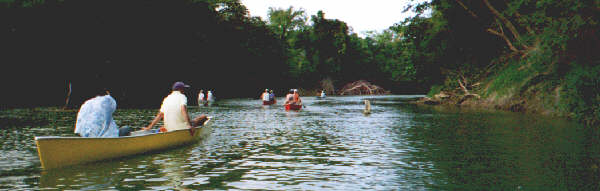
Our group canoeing down the Belize river
Belize is a small third world country in Central America which is about the size of our state of Massachusetts. It is home to the largest barrier reef in the western hemisphere. Eons ago the land was uplifted from the sea so the base rock is limestone which is riddled with caves. We did a "Cayes to Caves" tour with Global Adventures, a Canadian adventure company.
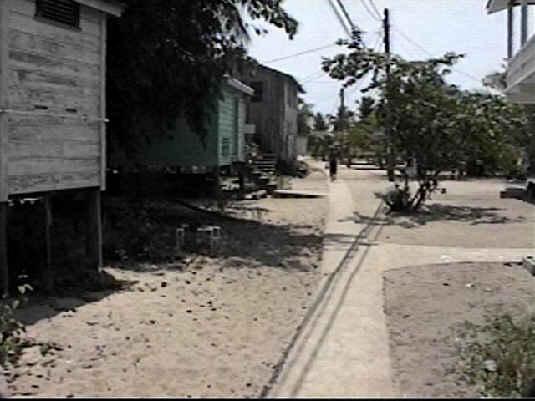
We began our adventure in Placentia, a remote fishing village about 40 miles south of Belize City. Until a few years ago, there were no roads into Placentia; even now, there are only three paved highways in all of Belize. Having no vehicles in its early years, the main street of Placentia is a sidewalk and is listed in the Guinness Book of World Records as the narrowest main street in the world.
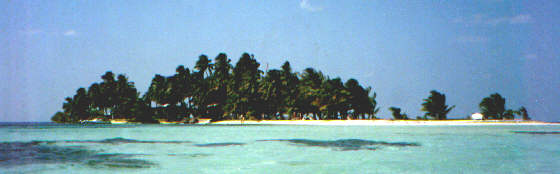
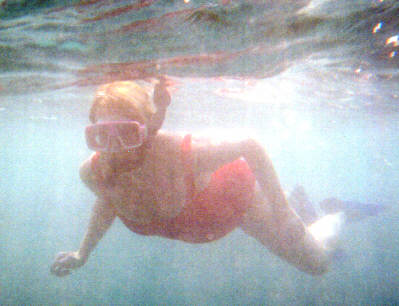
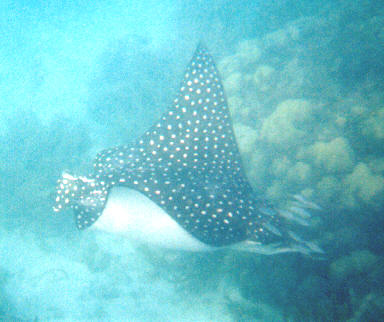
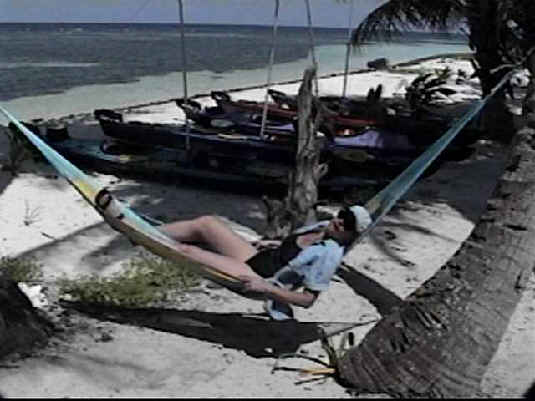
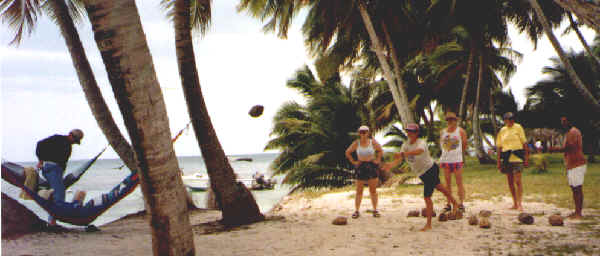
We spent the first three days twenty miles offshore on a small caye (pronounced "key"), which was about as long as two football fields, and less than 1/2 a field wide. It was located right in the middle of the reef where the water is crystal clear and the snorkeling is unbelievable. We saw a large variety of colorful fish, including groupers, stingrays, parrot fish, jellyfish and barracuda. We had time to unwind by relaxing in the "lazy bags" and playing a rousing game of "bocci coconut".
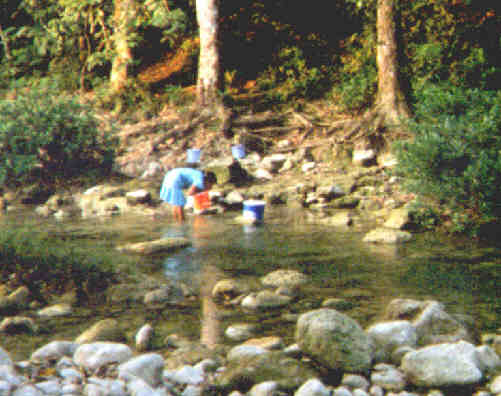
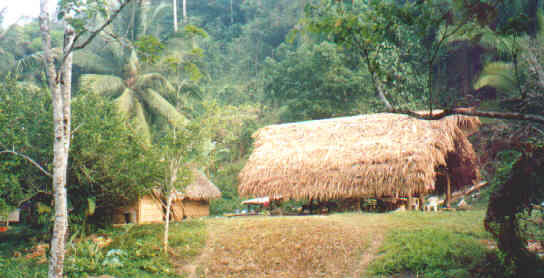
Our next stop was a small Mayan village at Blue Creek. We pitched our tents in the jungle near a river where a half dozen Mayan women were washing clothes by (literally) beating them on the rocks. A Mayan family hosted us for dinner in their thatched-roof hut which was constructed of timbers and palm fronds tied together with vines. There was not a single nail in the entire structure, or for that matter, in the entire village!
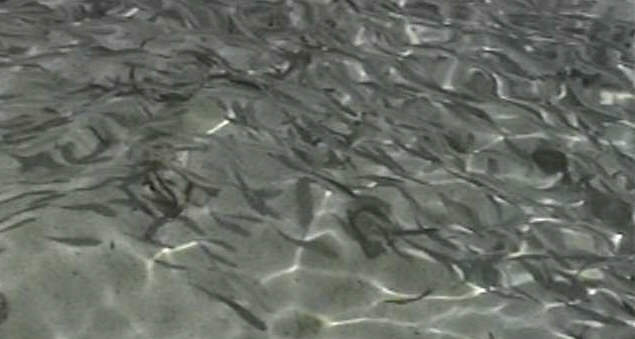
While sitting in the river in front of our tent to keep cool, we were surrounded by hundreds of little fish (about 3" long). Our guide, Jacqui, told us they were "cousins" of the piranha. They would dart in and bite at the hair on our arms and legs, but most of the time we felt little more than a tickle. One of our group (a former Marine Corps officer) bravely went in without a shirt, however, and complained that they were biting him. We gave him the "what a pansy" look and he didn't say another word. When he finally stood up, he was bleeding from dozens of bites on his back from those little piranha wanabees. I guess the Marines really are taught to ignore pain!
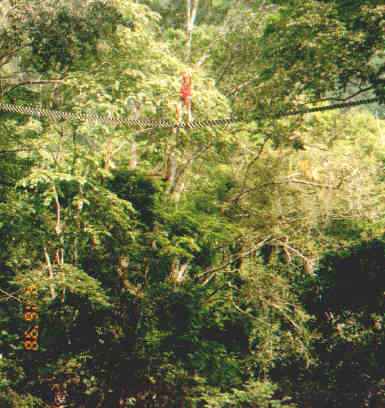
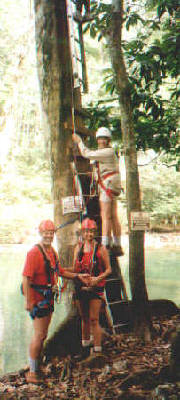
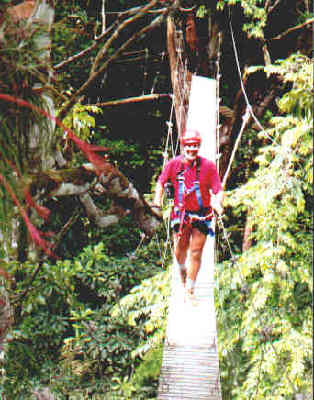
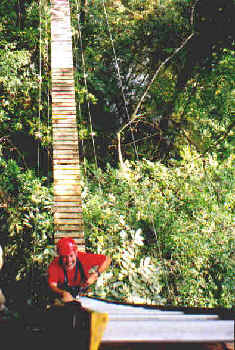
Near the village is an 85 foot high aerial walkway built by the World Wildlife Federation to study animals that live in the jungle canopy. One of the Mayan village elders (42 years old) was trained to maintain it and conduct guided tours. Access to the walkway was by a series of aluminum stepladders nailed to a tree . From the top of the ladders, we had to climb up and over a few limbs and drop down onto the walkway. Fortunately, we had ropes with prussic knots for safety while climbing, and a harness and steel cable for security while crossing the swinging bridge. At the other end of the bridge was another ladder (resting on the swaying bridge) that climbed another 15 or 20 feet onto a platform where you could "safely" view the wildlife from 100 feet above the river. If you have ever walked across a rope bridge in a kid's playground you know how unsteady they feel. Imagine climbing up the outside wall of a building to the 8th floor and walking to the building across the street on narrow planks attached to 2 parallel ropes. Then set a ladder up on the ropes and climb to the roof on the 10th floor! 12 out of our 13 people did it.
Next, we hiked to an underground river. Our guides told us about a waterfall way back in the cave and challenged us to swim back to it. It was "only" a few hundred yards, but it seemed like miles. With headlights strapped to our heads, we all made the swim, crawling over boulders and through deep pools filled with very dark water. We had no idea, and we will probably never know what was in the water with us!
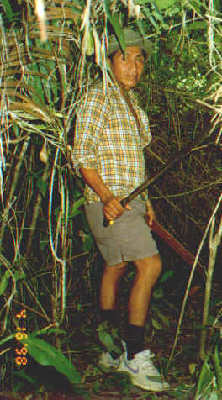
That evening, our Mayan host took us on a hike through the jungle to a cave that he had discovered about nine years ago. He had to slash his way through the brush with his machete to make a path. Suddenly, he began hacking away at a very large vine; we thought he was killing something. He cut the vine into three-foot long sections, turned one of them up, and out poured this delicious fresh water; not just drips, but a steady stream.
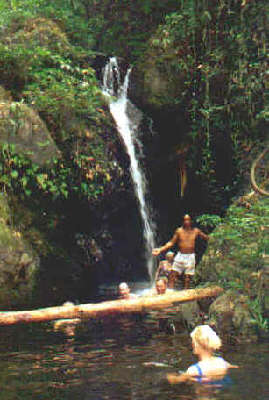
The next day we visited the Cockscomb Basin Jaguar Preserve where we hiked to a secluded waterfall. Swimming under the falls and into the cavern behind gave us a view of "the backside of water" as the guide on Disneyland's jungle cruise used to say. Here we had our first encounter with fire ants when someone knocked them into the water from a fallen log. Yes, they do swim, and their bite is really painful! We again had our evening meal served under one of those thatch roof cabanas. This one, however, was loaded with big scorpions which kept dropping onto the table. We could hardly wait to see what happened next!
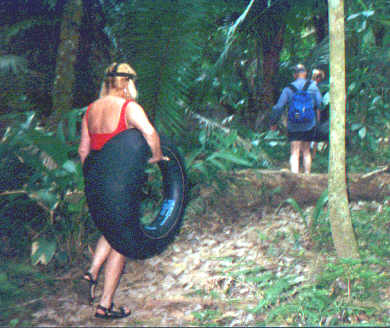
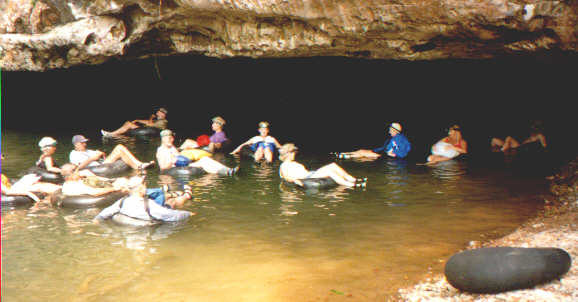
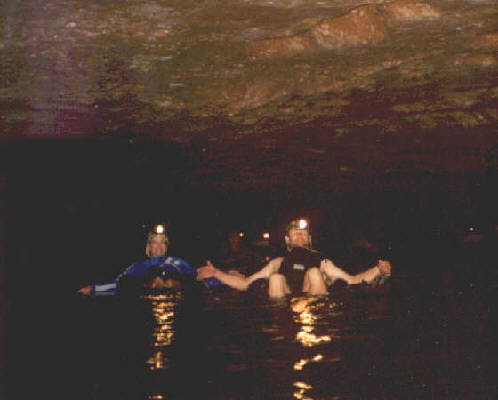
The next day's adventure was floating through a series of caves on inner tubes. It was a 2 hour hike in the oppressive heat just to get to the put-in spot. At the mouth of the first cave, we had lunch, then put on our headlamps and plopped into our tubes. We spent about 6 hours paddling through the long dark caverns, occasionally looking out at the rainforest through framed cave openings. Near the end of the third cave, we shut off our lights and saw an unbelievably beautiful sight. Huge firefly's were illuminating the cave. An awesome sight; better than Disney's "Pirates of the Caribbean".
We camped that night at an "ecologically aware" place called Monkey Bay Wildlife Sanctuary. Their "earth first" perspective means that they do not defile the environment by using any type of pesticide. While this may appeal to environmentalists in air-conditioned offices, it doesn't bode well for campers who have to fight an army of GIANT cockroaches intent on protecting their turf in the "aerating compost" toilets.
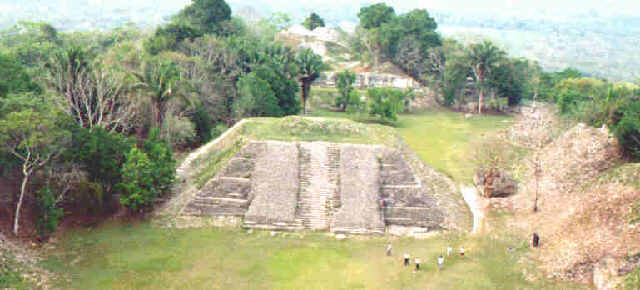
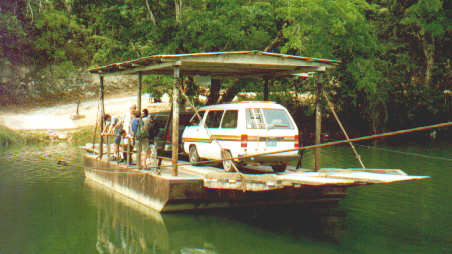
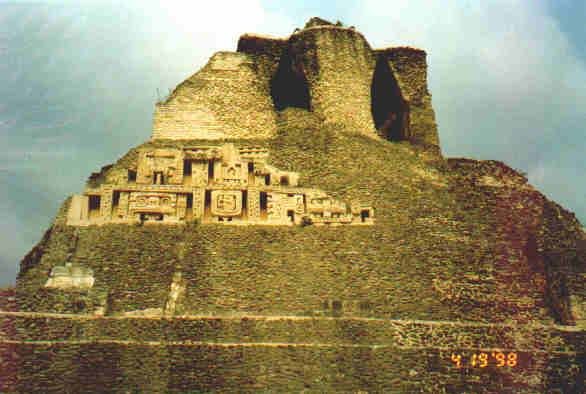
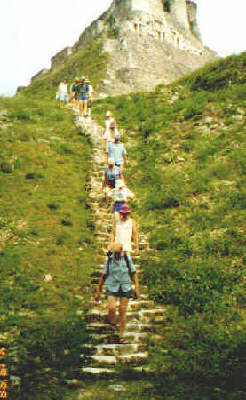
Our next stop was the partially restored Mayan ruin at Xunantunich. We crossed the river on a barge that was powered by a man hand cranking it along a cable to reach the other side. The ruin was spectacular. It was built between 800 and 1200 years ago and had been lost for centuries beneath the jungle growth. The structure called El Castille is the tallest building in all of Belize. Needless to say, we climbed to the top of every structure in the ruin.
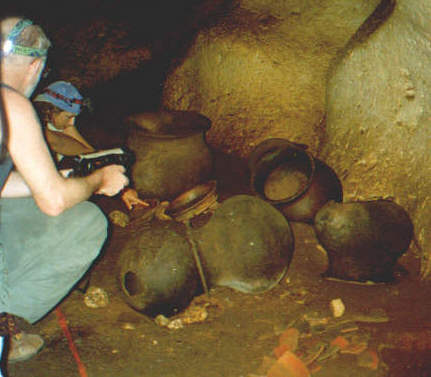
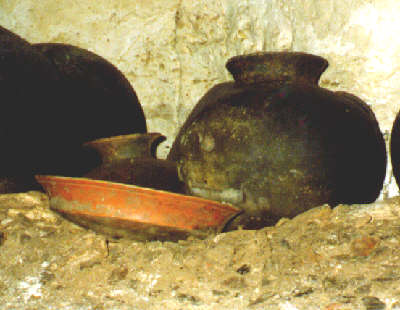
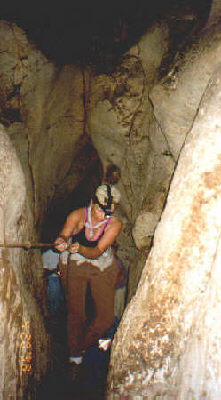
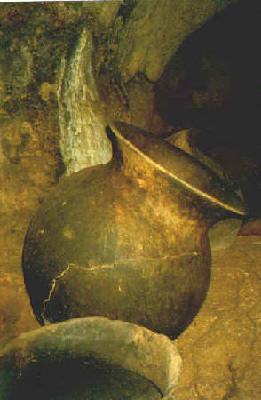
The following day we hiked about 5 miles to a recently discovered Mayan cave called Cha Chem Ha. We couldn't believe what we were seeing. There were perhaps 100 large pots scatted throughout the cave; they had been cached there long ago for obviously ceremonial purposes. Most were placed high up on ledges within the cave. Our guide explained that the oldest pots (circa 200 BC) were located nearest the entrance; the more recent pots (circa 1200 AD) were located deeper into the cave. He pointed out the blood letting bowls and told stories of the related maiming ceremonies. He also told us about other Mayan rituals such as turning pots over and breaking the bottom out to set the spirits of the dead free. Then, as a grand finale, he led us down deep into a ceremonial chamber that was accessible only by repelling down a knotted rope. We turned off our lights to experience total darkness and feel the spirits in the chamber come alive. This was an unbelievable find and we feel so privileged to have seen it.
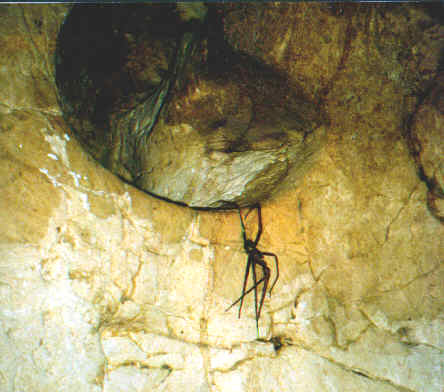
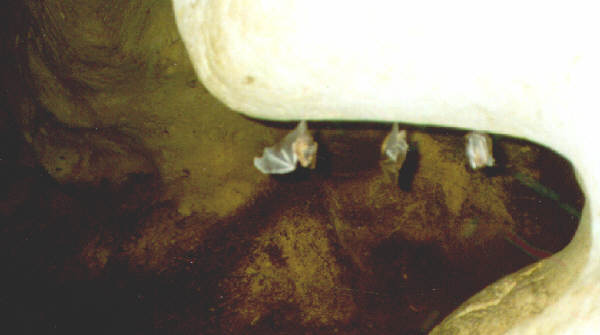
Besides the in-situ artifacts, we were fortunate enough to come face to face with some of the cave fauna. We got a really up-close look at spiders with (at least) 12 inch leg spans. We also saw the cutest little bats with giant twitching ears. They were about 4 feet away, right at eye level, hanging upside down and kind of spinning slowly to see (or hear) what was harassing them.
For our last night, we had cabins at the Jungle Drift Lodge in the Community Baboon Sanctuary. We did a 7 mile canoe trip down the Belize River (photo at beginning of story). All around us there were howler monkeys marking their territory by making a loud and intimidating roar through their specially adapted nasal passages. It was very peaceful watching the multicolored plants and birds (and a few large iguanas) as we floated through their "neighborhood".
We ended the trip with just enough bites, bumps and bruises to know we had a magnificent adventure and a wonderful time. We highly recommend that you all experience Belize. It is the uncut jewel of Central America.
 Home Page